
High Risk Merchant Services: Payment Processing Solutions Explained
Running a business labeled as high risk doesn't mean you're out of options. Thousands of entrepreneurs across industries like CBD, gaming, and travel deal daily challenges related to payment acceptance. The good news? Specialized providers now cater exclusively to these businesses, offering tailored payment processing solutions that traditional banks simply won't touch.
Ever wonder why certain industries struggle to get approved? It all comes down to chargeback rates, regulatory scrutiny, and perceived financial exposure. But don't worry—this article breaks down everything you need to know about securing reliable merchant accounts, reducing fees, and protecting your revenue stream in 2026 and beyond.
Why Certain Industries Face Payment Barriers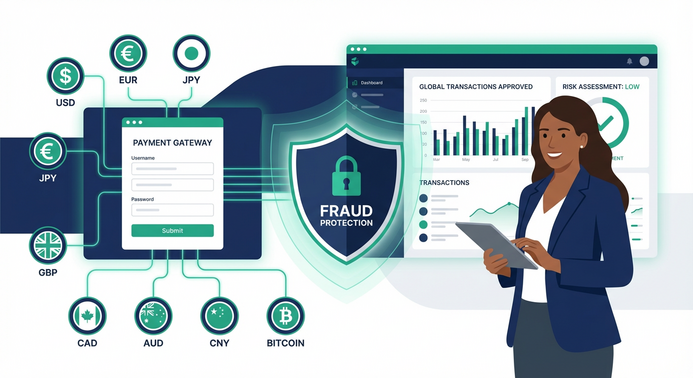
Not all businesses enjoy the same level of trust among financial institutions. Banks and traditional processors evaluate risk based on chargeback history, industry type, and transaction volume. Sectors like online gambling, adult entertainment, nutraceuticals, and travel agencies consistently land on the "difficult to approve" list. These businesses often experience higher-than-average dispute rates, making underwriters nervous about potential losses.
Common Categories Denied Approval
Industries frequently flagged include subscription-based platforms, firearms retailers, debt collection agencies, and cryptocurrency exchanges. Even legitimate e-commerce stores selling digital products sometimes face rejection. The underlying concern revolves around elevated chargeback prevention strategies becoming necessary—a signal that disputes happen more often than average. Traditional acquirers prefer low-maintenance accounts, so they steer clear of anything unpredictable.
Regulatory Pressure on Financial Institutions
Government regulations also play a role. Banks face compliance obligations under anti-money laundering laws and consumer protection statutes. Processing payments tied to heavily regulated goods or services demands additional oversight, documentation, and monitoring. Many mainstream processors simply don't want teh extra burden, pushing these businesses toward specialized providers.
Offshore Merchant Accounts and Global Reach
One popular solution involves opening offshore merchant accounts through international acquiring banks. These accounts allow businesses to accept payments in multiple currencies while benefiting from more lenient underwriting standards. Countries like Malta, Belize, and Hong Kong host financial institutions experienced at handling elevated-risk portfolios.
Benefits of International Processing
Going offshore opens doors to broader customer bases. Multi-currency acceptance reduces cart abandonment among international shoppers. Additionally, some jurisdictions offer favorable tax structures and lighter regulatory frameworks. Businesses operating globally often find that offshore accounts complement their domestic ones, creating redundancy that protects against sudden account freezes or terminations.
Potential Drawbacks to Consider
However, offshore processing isn't without downsides. Settlement times tend to run longer—sometimes 7 to 14 days compared to domestic 2-day cycles. Currency conversion charges eat into margins, and communication barriers across time zones create friction. Rolling reserves, where processors hold back a percentage of revenue as collateral, remain standard practice. Smart operators weigh these tradeoffs carefully before committing.
Credit Card Processing Fees Breakdown
Let's talk money, because nobody enjoys surprises on their monthly statement. Elevated-risk accounts typically pay higher credit card processing fees compared to standard retail businesses. Expect rates ranging between 3.5% and 8% per transaction, plus gateway charges, monthly minimums, and setup costs. Sound steep? It's the price of access.
Understanding Rate Structures
Most providers use one of three pricing models:
- Interchange-plus: Transparent markup added to card network base rates
- Tiered pricing: Transactions grouped into qualified, mid-qualified, and non-qualified buckets
- Flat-rate: Single percentage applied uniformly across all transactions
Interchange-plus generally offers the clearest picture of actual costs. Tiered models, while simpler on paper, often hide markups in the mid and non-qualified categories. Always request a full fee schedule before signing any agreement.
Negotiating Better Terms
Here's something most providers won't tell you: rates aren't set in stone. Businesses demonstrating strong processing history, low dispute ratios, and consistent volume hold leverage during negotiations. After six months of clean processing, don't hesitate to request a rate review. Loyalty matters in this space, and providers would rather reduce margins than lose a reliable account.
Fraud Detection Tools Protecting Revenue
Chargebacks and fraudulent transactions pose the biggest threats to account stability. Modern fraud detection tools leverage machine learning algorithms, velocity checks, and device fingerprinting to flag suspicious activity before it becomes a costly dispute. Investing in robust prevention technology isn't optional—it's essential.
Layered Security Approaches
The most effective strategies combine multiple layers:
- Address Verification Service (AVS) matching billing details
- 3D Secure authentication adding cardholder verification
- Real-time transaction scoring based on behavioral patterns
- Blacklist databases blocking known fraudulent identities
Each layer catches different threat types. Relying on a single method leaves gaps that sophisticated fraudsters exploit without hesitation. A layered approach dramatically reduces exposure while maintaining smooth checkout experiences for legitimate customers.
Chargeback Prevention Strategies That Work
Beyond fraud screening, proactive communication reduces disputes significantly. Clear billing descriptors help customers recognize charges on their statements. Responsive customer support resolves complaints before they escalate to bank-level disputes. Services like Verifi and Ethoca provide alerts when cardholders initiate chargebacks, giving merchants a window to issue refunds proactively. Keeping dispute ratios below 1% ensures long-term account health and potentially unlocks lower processing rates over time.
In conclusion, navigating the world of specialized payment acceptance requires patience, research, and strategic partnerships. Don't settle for the first provider that offers approval—compare terms, scrutinize contracts, and prioritize fraud prevention above all else. The right payment processing solutions exist; finding them just takes a bit more effort than walking into your local bank. Stay informed, stay protected, and your business will thrive despite teh high-risk label hanging over it.